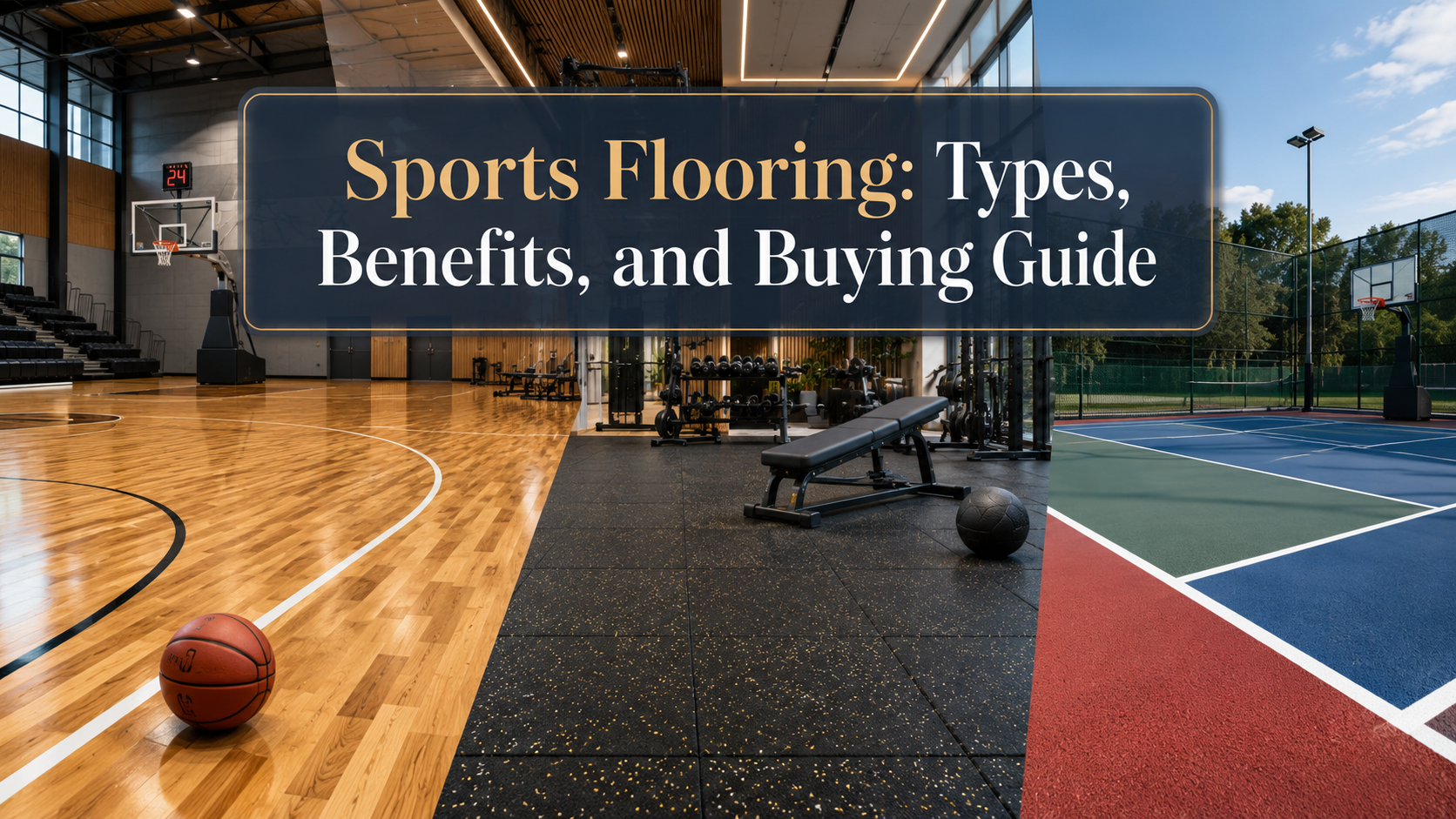


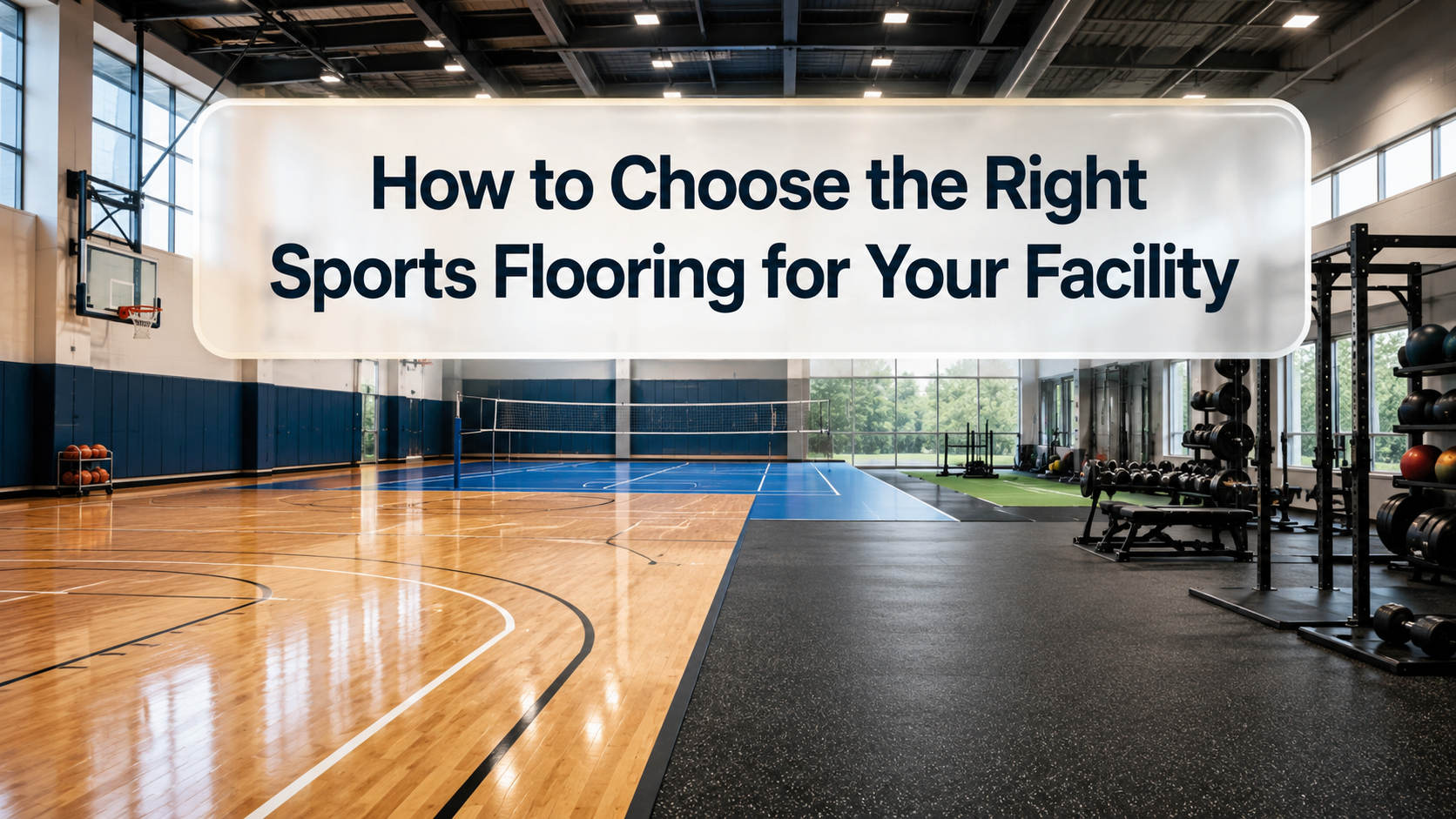
The right sports flooring can completely change how a facility performs. It affects player safety, comfort, movement, durability, and even the overall look of the space.
Whether the project is a gym, indoor court, school sports hall, jogging track, fitness studio, or outdoor play area, flooring should be selected according to the activity and usage level. A surface that works well for a gym may not be suitable for a tennis court, and flooring made for indoor use may not survive outdoor weather conditions.
Here are the main things to consider before choosing sports flooring.
1. Start with the Main Activity
Every sports area has a different purpose. Before selecting any flooring material, identify what the space will mostly be used for.
A gym needs flooring that can handle equipment, weights, and impact. A basketball court needs grip, bounce, and smooth movement. A jogging track needs comfort and shock absorption. A multi-purpose hall needs a surface that can support different activities.
Once the main use is clear, the right flooring option becomes easier to choose.
2. Consider Indoor or Outdoor Use
Indoor and outdoor sports flooring have different performance needs.
Indoor flooring is usually selected for comfort, appearance, grip, and controlled movement. It is commonly used in gyms, courts, fitness rooms, and school halls.
Outdoor flooring must handle sunlight, dust, rain, temperature changes, and regular wear. It is commonly used for tennis courts, basketball courts, padel courts, jogging tracks, and play areas.
Choosing flooring according to the environment helps improve its life and performance.
3. Check Safety and Grip
Safety should be one of the first priorities. A good sports floor should reduce the risk of slips and support stable movement.
The surface should provide enough grip without making movement difficult. If the floor is too slippery, users may fall. If it has too much friction, movement can feel uncomfortable and may affect performance.
For facilities used by children, athletes, gym members, or large groups, safety-focused flooring is especially important.
4. Look for Shock Absorption
Sports activities include running, jumping, turning, and sudden stops. Without proper shock absorption, users may feel extra pressure on their knees, ankles, and joints.
Shock-absorbing flooring helps reduce impact and improves comfort during activity. This is important for gyms, jogging tracks, training zones, school sports areas, and high-impact exercise spaces.
5. Think About Durability
Sports floors face regular foot traffic, movement, equipment pressure, and cleaning. A facility used daily needs flooring that can handle long-term wear.
Before buying, consider how many people will use the space, what type of activity will happen there, and whether equipment will be placed on the floor.
Durable flooring may cost more at the start, but it can reduce repair and replacement costs later.
6. Match the Material with the Facility
Different materials work better for different spaces.
| Facility Type | Suitable Flooring Options |
|---|---|
| Gym and fitness area | Rubber flooring |
| Basketball court | Wooden, vinyl, or acrylic flooring |
| Tennis court | Acrylic flooring |
| Padel court | Artificial turf or acrylic flooring |
| Jogging track | Rubber or synthetic flooring |
| School sports hall | Vinyl or rubber flooring |
| Multi-purpose hall | Vinyl sports flooring |
| Outdoor sports area | Acrylic or artificial grass |
The material should match the activity, traffic level, and maintenance expectations.
7. Consider Maintenance
Sports flooring should be easy to clean and maintain. A floor that requires too much care may become difficult for busy gyms, schools, and sports facilities.
Before choosing, check whether the flooring needs regular polishing, special cleaning products, repairs, or protective treatment.
Low-maintenance flooring is often better for facilities with daily use.
8. Do Not Ignore Installation Quality
Even good flooring can fail if it is not installed properly. Poor installation may cause uneven surfaces, weak edges, poor grip, lifting, or early damage.
Professional installation helps improve the final finish, safety, and lifespan of the flooring. It also ensures that the surface performs as expected.
9. Balance Budget with Long-Term Value
Price is important, but the cheapest flooring is not always the best option. Low-quality flooring may wear out faster, create safety problems, or require frequent repairs.
A better approach is to compare the total value:
- Product quality
- Safety features
- Durability
- Maintenance cost
- Installation quality
- Expected lifespan
Good sports flooring should offer reliable performance over time.
Final Thoughts
Choosing the right sports flooring requires more than selecting a surface that looks good. The flooring should match the activity, location, safety needs, traffic level, and maintenance plan.
A well-chosen sports floor can make the facility safer, more comfortable, easier to maintain, and better for long-term use.